 MesaDuraEspañolPlay free
The History Behind the Tiles
Dominoes has a long history—and some familiar origin stories are less certain than they sound. Here is a careful place to begin.
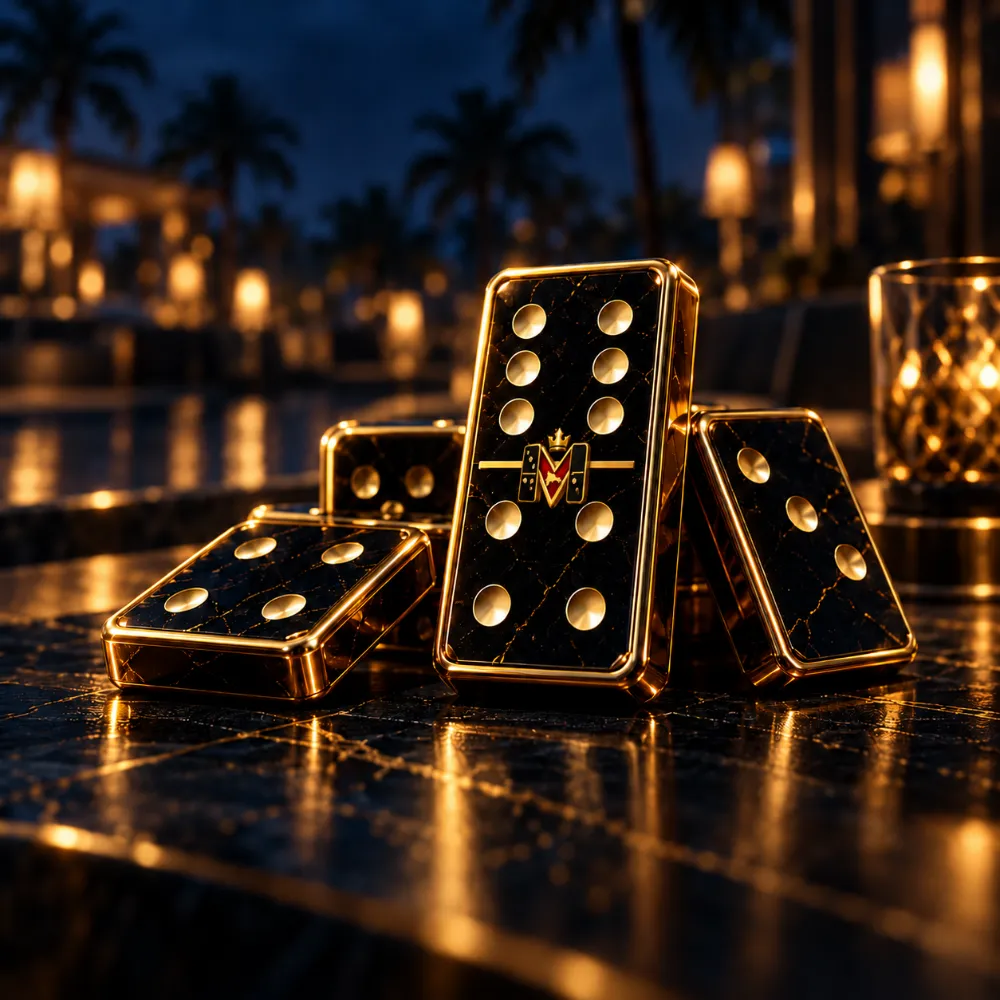
A domino tile is a small object with a long history. Looking into that history brings up an immediate complication: the familiar story of one person inventing a game and someone else carrying it around the world is often much tidier than the evidence.
ETH Library’s history of dominoes describes stories about Marco Polo bringing the game to Europe as legends. Its account points to a twelfth-century reference to Chinese dominoes, and says double-six dominoes became established in Europe during the eighteenth century.
The Strong National Museum of Play gives a different early date, placing Chinese dominoes in the 1300s. That disagreement is a reason to be careful about announcing one exact birthday for the game. The two institutions offer useful starting points, but their summaries do not settle every question about its beginnings.
The tiles themselves give us another way into the story. The Strong explains that their markings, or pips, originally represented the possible results of throwing two six-sided dice. What looks like a familiar pattern on a tile has a connection to another much older way of playing.
The familiar European set also differs from Chinese versions. The museum highlights the blank-ended tiles and the double blank as part of that difference. ETH identifies the common double-six set as twenty-eight tiles. Even the pieces have a history of variation.
Then there is the history people make around a table. One documented example is Domino Park in Miami’s Little Havana. The Smithsonian’s National Museum of the American Latino describes local Cuban Americans gathering there to play and socialize. It is a specific community and a specific place, worth understanding on its own terms.
That example should not stand in for every Caribbean community. A Cuban American gathering place cannot tell the whole Dominican story, and a broad history of tiles cannot tell us how every family plays. Those are different questions, with different sources and experiences behind them.
For MesaDura, Lu’s connection is personal. He describes loving the competition, meeting people, learning from them, and feeling the excitement of getting better. Those are his reasons for wanting to build a game, rather than claims about what every domino player experiences.
That gives this blog two threads to follow. We can explore what museums, collections, and historical research tell us about the tiles. We can also make room for the memories and traditions players choose to share in their own words.
The history behind dominoes is interesting partly because there is still more to ask. Where did a particular rule become common? Which traditions belong to a place, and which belong to one table? Those are stories worth taking time to understand.
Prepared with AI editorial assistance; historical sources are linked below.